Understanding Monstera: The Ideal Houseplant for HDBs
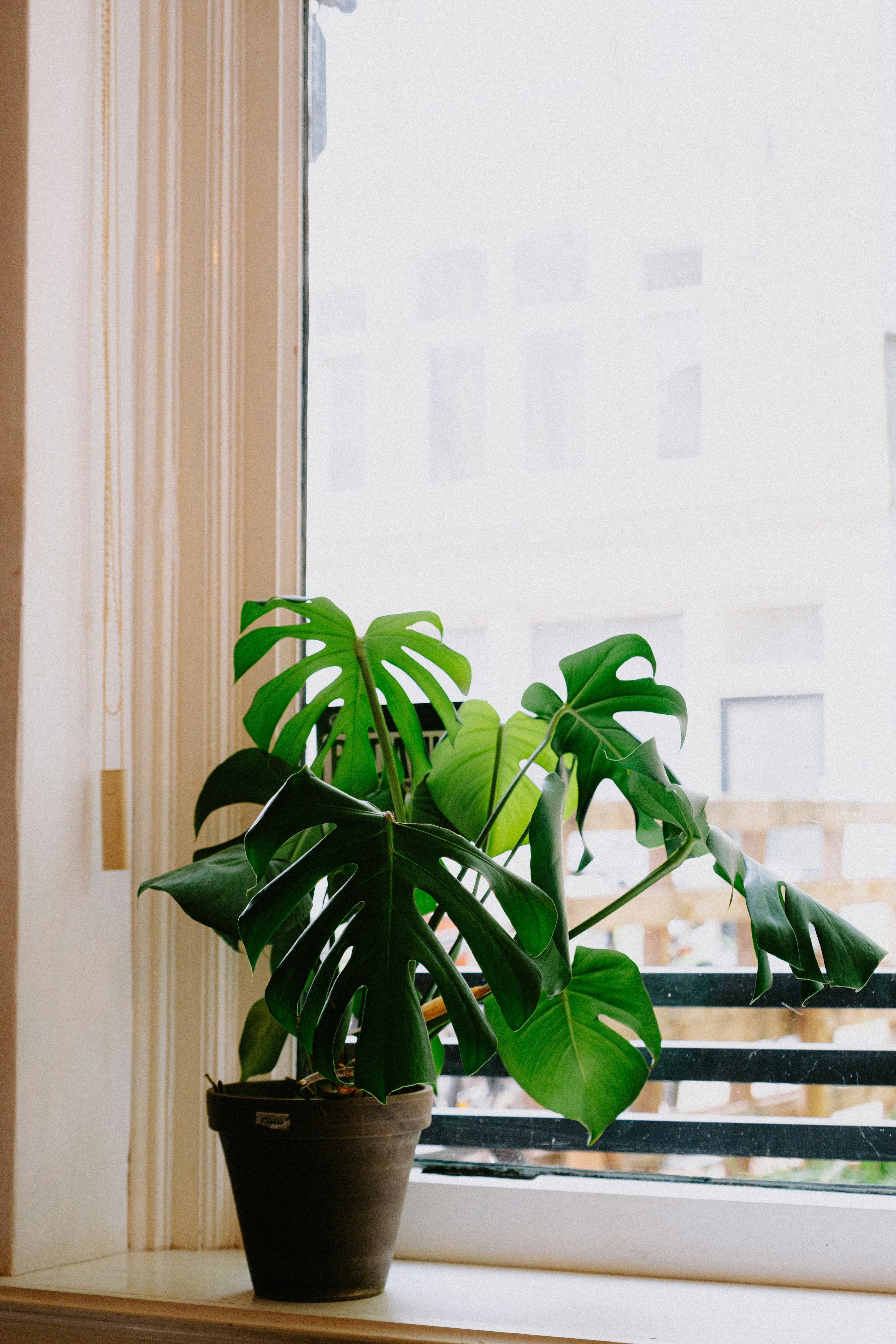
The Monstera plant, also commonly known as the Swiss cheese plant, originates from the tropical rainforests of Central America. Renowned for its unique foliage, the Monstera’s large, perforated leaves not only contribute to its aesthetic allure but also serve as a remarkable conversation starter in indoor settings. Its characteristic leaf pattern is a testament to nature’s artistry, making it a popular choice among home gardeners, especially in HDB (Housing and Development Board) homes where space and style are paramount.
One of the primary reasons the Monstera is an ideal houseplant for urban environments is its air-purifying capabilities. Research indicates that indoor plants, such as Monstera, can improve air quality by absorbing toxins and releasing oxygen. This is particularly beneficial for residents living in high-rise buildings, where indoor air may be compromised by pollutants. The ability of Monstera to enhance air quality while providing a touch of natural beauty contributes significantly to its appeal as a houseplant.
Furthermore, Monstera plants demonstrate remarkable adaptability to indoor environments, thriving in varied lighting conditions. Whether your HDB is bathed in natural sunlight or has limited exposure, the Monstera’s versatile nature allows it to flourish. It requires indirect light, making it suitable for placement near windows or within well-lit rooms. Additionally, this houseplant enjoys a humid atmosphere, which can easily be provided through misting or using a humidifier, thus catering to its preference for a more tropical climate.
In urban settings, where space can be a constraint, the Monstera’s climbing growth habit allows it to be trained upwards, making it an excellent choice for small apartments. Its minimal maintenance needs, combined with its striking appearance and air-purifying qualities, reaffirm the Monstera as a perfect fit for HDB gardeners seeking to cultivate a vibrant indoor garden.
Creating the Perfect Environment for Your Monstera
To ensure the optimal growth of your Monstera plant, it is essential to recreate the conditions of its natural tropical habitat. This requires attention to several key factors, including light, temperature, humidity, and soil conditions. By understanding and implementing these requirements, HDB gardeners can successfully cultivate healthy Monstera plants.
First and foremost, light is crucial for the successful growth of Monstera. These tropical plants thrive in bright, indirect sunlight. A location near a window that receives filtered light is ideal, as direct sunlight can scorch their leaves. If you find that your home lacks sufficient natural light, consider using grow lights to supplement their light needs, thereby ensuring the plant remains vibrant and lush.
Temperature plays a vital role in the overall health of your Monstera. The ideal temperature range for these plants is between 18°C to 30°C. It is important to avoid exposing them to cold drafts or sudden temperature fluctuations, which can hinder their development. Maintaining a stable temperature will promote growth and vitality.
Humidity is another critical factor for maintaining a thriving Monstera. These plants prefer high humidity levels, typically between 60% to 80%. In an HDB environment, achieving the desired humidity can be accomplished with the regular use of a humidifier or placing a tray of water with pebbles beneath the pot to increase moisture in the air. Additionally, misting the leaves occasionally can help create a conducive atmosphere for growth.
Lastly, choosing the appropriate soil is essential. Monstera plants thrive in well-draining soil that retains moisture without becoming waterlogged. A potting mix specifically designed for aroids, featured with perlite and orchid bark, can provide a nurturing environment that supports their growth while preventing root rot. Remember to select a pot with adequate drainage holes to facilitate this process.
Watering and Fertilizing: Keeping Your Monstera Healthy
Caring for a Monstera plant requires careful attention to its watering and fertilizing needs, both of which play a crucial role in maintaining its health. The first step in developing a suitable watering regimen is to understand the plant’s moisture requirements. Monsters thrive in moderately moist conditions, so it’s essential to identify the right time to water. A good practice is to check the top inch of the soil; if it feels dry to the touch, it’s time to water. Conversely, if the soil is still damp, it is advisable to wait before watering again, as excessive moisture can lead to root rot, one of the most common issues faced by plant enthusiasts.
Drainage is also a vital aspect of Monstera care. Utilizing pots with drainage holes promotes healthy root development, allowing excess water to escape and preventing oversaturation. This drainage not only provides a reliable environment for growth but also supports healthy soil aeration, enabling roots to breathe. Along with monitoring soil moisture, visual cues from the plant itself can indicate its watering needs. Yellowing leaves may signify that the plant is suffering from overwatering, while droopy leaves can suggest a lack of hydration.
In addition to proper watering techniques, fertilization enhances the growth and overall vitality of the Monstera. A balanced, water-soluble fertilizer rich in nitrogen, phosphorus, and potassium is ideal for promoting vigorous development. During the growing season, typically from spring to fall, it is recommended to fertilize your Monstera every four to six weeks. Conversely, during the dormant winter months, reduce or cease fertilization to avoid stressing the plant. By attentively watching for plant cues and adjusting watering and fertilization schedules, gardeners can ensure that their Monstera remains vibrant and healthy for years to come.
Troubleshooting Common Issues: Keeping Your Monstera Thriving
Caring for a Monstera at home can sometimes lead to challenges, including pest infestations, leaf discoloration, and stunted growth. Recognizing the signs of these issues early is crucial for maintaining a healthy plant. For instance, if you notice tiny webs or small brown spots on the leaves, this may indicate a spider mite or aphid invasion. In such cases, a gentle wash with soap and water can effectively eliminate these pests. Additionally, introducing beneficial insects like ladybugs can provide a natural solution while maintaining the ecological balance.
Leaf discoloration can often arise from improper watering practices. Yellowing leaves may signify overwatering, while browning edges may indicate drought stress. To address this, assess your watering routine and ensure that your pot has good drainage to prevent root rot. It’s essential to adjust your care according to the specific conditions of your indoor environment, especially when it comes to humidity levels. Providing regular misting or using a pebble tray can promote humidity, which is favorable for Monstera health.
Stunted growth may be a result of insufficient light or nutrients. Ensure your plant receives bright, indirect sunlight—a critical factor for its growth. If light conditions are inadequate, consider relocating the Monstera to a brighter area or supplementing natural light with grow lights. Nutrient deficiencies can be addressed through regular fertilization during the growing season. A balanced liquid fertilizer, applied monthly, will support robust growth.
In conclusion, monitoring your Monstera for signs of trouble and acting promptly can make a significant difference in its vitality. Keeping a close eye on pest activity, adjusting watering techniques, and providing adequate light and nutrients are crucial strategies for preserving the health of your Monstera. By staying vigilant and informed, gardeners can enjoy the flourishing presence of this iconic plant in their homes.